


Eco-Friendly Plantscaping: Sustainable Materials and Practices You Need to Know
Gardening is about much more than simple plants. Eco-friendly gardens bring a sustainable future to the forefront of gardening and decorating. By utilizing sustainable plantscaping techniques, property owners can transform static spaces into regenerative ecosystems that reflect a commitment to professional excellence and ecological responsibility. Grundys Plantscaping explores the sustainable materials and practices you need to know for eco-friendly plantscaping. Learn more.
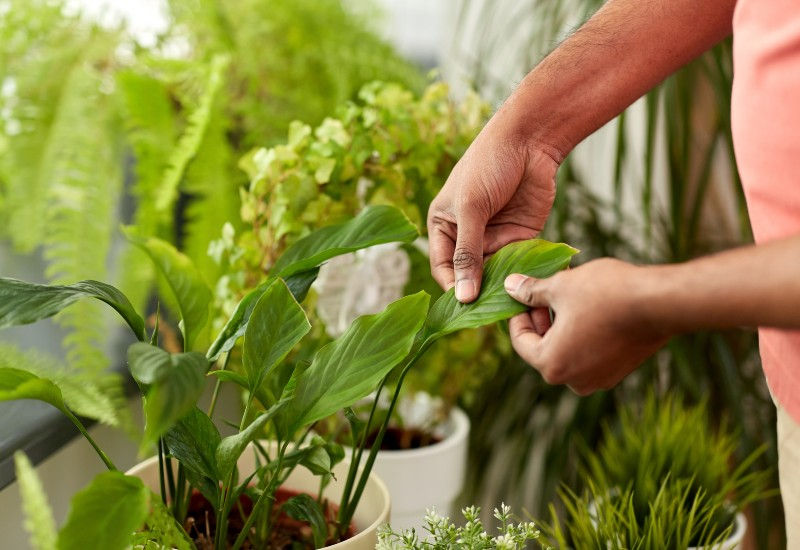
What Is Eco-Friendly Plantscaping?
Eco-friendly plantscaping is the practice of designing, installing, and maintaining greenery using methods that minimize negative impacts on the environment. Unlike traditional landscaping, which may rely heavily on synthetic fertilizers and excessive water use, sustainable plantscaping focuses on biodiversity, organic soil health, and the use of renewable materials. It bridges the gap between architecture and horticulture, ensuring that every botanical element serves a functional purpose, from air purification to thermal regulation, without depleting natural resources.
Why Sustainable Plantscaping Is Growing in Popularity
The surge in demand for green interior design is driven by a global shift toward corporate social responsibility (CSR) and the rising standards of LEED and WELL building certifications. Businesses are increasingly aware that a "green" office is a more productive office. Sustainable practices appeal to eco-conscious tenants and employees, providing a competitive edge in the real estate market while simultaneously reducing the carbon footprint of the facility.
Sustainable Materials Used in Modern Plantscaping
Professional plantscapers are moving away from traditional plastics and non-renewable peat-based soils. The key materials now include:
Recycled Planters – Containers manufactured from reclaimed ocean plastics, recycled metals, or biodegradable stone compounds.
Sustainable Substrates – Utilizing coconut coir (a byproduct of the coconut industry) or expanded clay pebbles instead of peat moss to preserve vital wetland ecosystems.
Organic Fertilizers – Transitioning to nutrient-rich compost and seaweed-based solutions that eliminate chemical runoff.
Choosing Eco-Friendly Indoor Plants for Sustainable Interiors
Selecting the right foliage is critical for a low-impact installation. Eco-friendly indoor plants are typically those that are indigenous to the climate or possess high resilience with minimal intervention.
Many people prefer species like snake plants (Dracaena trifasciata) and ZZ plants (Zamioculcas zamiifolia) for their low water requirements and ability to thrive in natural light, reducing the need for supplemental electrical lighting. To optimize your space for sustainability, consider the following criteria when selecting indoor botanical assets:
Native and Adaptive Selection – Prioritize species that align with your local climate or demonstrate high adaptability to indoor environments to ensure long-term viability.
Low-Resource Maintenance – Opt for drought-tolerant varieties that minimize water consumption and maintenance labor, such as succulents or robust tropicals.
Light Efficiency – Choose plants that flourish in ambient light conditions, effectively eliminating the carbon footprint associated with artificial grow lights.
Air Purification Capacity – Select high-performance foliage known for filtering volatile organic compounds (VOCs), contributing to a healthier and more sustainable indoor air quality.
Sustainable Plantscaping Practices That Reduce Environmental Impact
To achieve true sustainability, the maintenance phase must be as rigorous as the design phase. We recommend the following practices:
Water Management – Implementing smart irrigation systems and self-watering planters to eliminate waste.
Integrated Pest Management (IPM) – Utilizing biological controls, such as beneficial insects, rather than toxic pesticides.
Waste Circularity – Composting all plant trimmings to create nutrient-dense soil for future rotations.
How Green Interior Design and Plantscaping Work Together
Green interior design is the architectural framework, while plantscaping is the living execution. Together, they create a cohesive environment where biophilic elements, such as living walls and moss installations, are integrated into the building's HVAC and lighting systems. This synergy ensures that the greenery is not an afterthought but a functional component of the building's operational infrastructure.
Benefits of Sustainable Plantscaping for Property Owners
Investing in sustainable plantscaping yields significant dividends for businesses. These include:
Cost Savings – Reduced water consumption and lower energy bills through natural cooling.
Enhanced Brand Reputation – Demonstrating a tangible commitment to sustainability to clients and investors.
Employee Wellness – Improved indoor air quality and reduced stress levels, leading to higher retention and performance.
How Professional Plantscaping Services Support Sustainability
Navigating the complexities of eco-friendly design requires specialized expertise. Professional plantscaping services provide the logistical support necessary to source local species, manage complex irrigation tech, and ensure the long-term health of the installation. Our team serves as a strategic partner, ensuring that your green investments remain vibrant and effective throughout their lifecycle.
Contact Grundys Plantscaping
Grundys Plantscaping is your partner for plantscaping services in Philadelphia, PA. Sustainable plantscaping is the future of urban development. By choosing eco-friendly materials and mindful maintenance practices, you're investing in a healthier planet and a more profitable enterprise. Let us bring your property to life with eco-friendly design elements. Contact our expert consultants today to design a customized plantscaping solution that aligns with your sustainability goals.
FAQs
Is Eco-Friendly Plantscaping More Expensive Than Traditional Methods?
While initial material costs for recycled or organic products can be slightly higher, the long-term savings in water, energy, and plant replacement often result in a lower total cost of ownership.
Can I Convert My Existing Indoor Plants to a Sustainable System?
Yes. We can transition your current inventory to organic fertilizers, sustainable substrates, and water-efficient containers as part of a phased sustainability upgrade.
What Are the Best Eco-Friendly Indoor Plants for Low-Light Offices?
We can guide you in choosing the best eco-friendly indoor plants that thrive in low-light settings. The Pothos, Sansevieria, and Aglaonema are excellent choices that require minimal resources while providing significant air-purification benefits.


Comments